


Agoraphobia Test: Do You Have Agoraphobia?
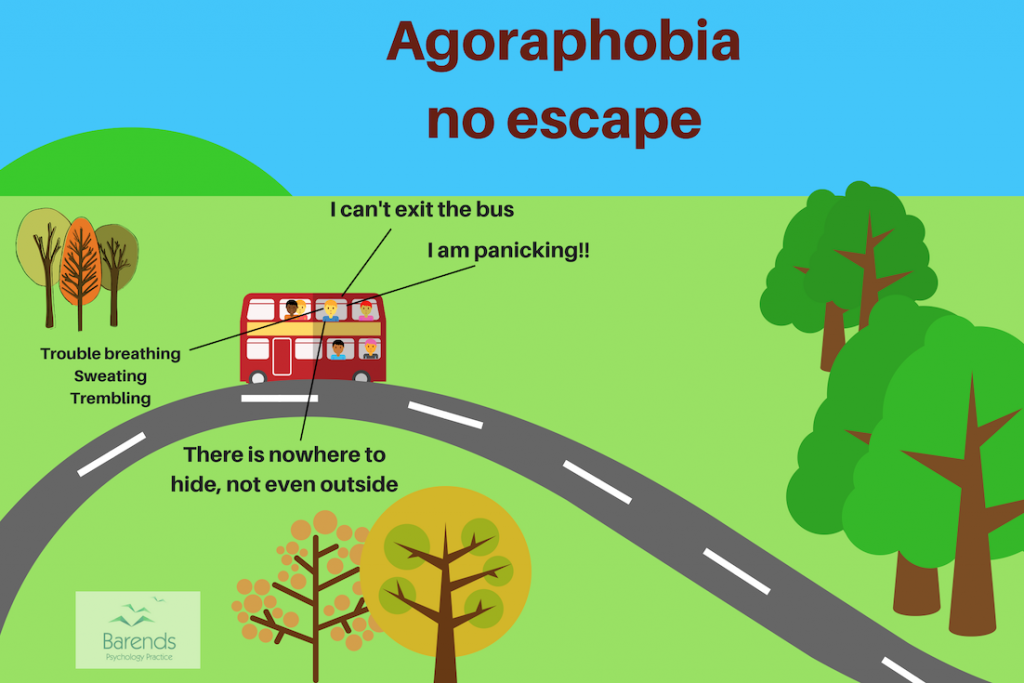
This agoraphobia test helps you understand whether your symptoms match the typical pattern of agoraphobia. Many people experience anxiety in certain situations, but agoraphobia is defined by a specific combination of fear, avoidance, and difficulty coping with internal sensations (see agoraphobia symptoms).
In many cases, agoraphobia develops after one or more panic attacks, followed by increasing avoidance and reliance on safety behaviours. Over time, this can lead to a gradual restriction of daily life (learn more about agoraphobia causes).
This test is designed to give you a structured indication of whether your experiences fit this pattern. If your score suggests agoraphobia, the next step is to consider a professional diagnosis and appropriate treatment.
⬇ Scroll down to take the agoraphobia test immediately
Quick facts about this agoraphobia test
- Based on common agoraphobia symptom patterns
- Helps identify avoidance and safety behaviours
- Takes only a few minutes to complete
- Provides insight into severity and next steps
- Does not replace a clinical diagnosis
- Online treatment is available if results indicate agoraphobia
On this page:
Why take an agoraphobia test?
Many people are unsure whether their anxiety is “normal” or part of a broader pattern. An agoraphobia test helps clarify this by identifying:
- Patterns of avoidance
- Fear of panic or loss of control
- Reliance on safety behaviours
- Impact on daily functioning
Recognizing this pattern early is important. Without intervention, agoraphobia often becomes more restrictive over time. With the right approach, this pattern can be reversed (see treatment options).
Does this test replace a diagnosis?
No. This test provides an indication, but it does not replace a formal agoraphobia diagnosis.
A diagnosis looks at the full pattern: how anxiety develops, how it is managed, and how it affects your daily life over time.
Clinical insight:
“In therapy, many people already recognize parts of the pattern before they take a test. What often becomes clear is not just the presence of anxiety, but how much their behaviour is organized around avoiding it. That is usually the turning point where people realize it may be more than ‘just anxiety.’”
Niels Barends, MSc
Psychologist specialized in anxiety disorders
Take the test
Answer the following questions based on how you feel without relying on safety behaviours (such as distraction, reassurance, or avoidance).
This agoraphobia test is a screening questionnaire developed for informational purposes. It is not a diagnostic instrument and does not replace a professional assessment. The questions are based on common clinical patterns seen in agoraphobia, including avoidance, fear of panic-like symptoms, and difficulty escaping or getting help.

Want to understand your results?
If your score indicates agoraphobia, the next step is to break the cycle of avoidance with structured, evidence-based treatment.
Author:
Niels Barends, MSc, psychologist with over 14 years of clinical experience specializing in anxiety disorders and exposure-based therapy.
His work focuses on identifying and changing the patterns that maintain anxiety, including avoidance, safety behaviours, and fear of internal sensations.
Last reviewed: April 2026
Frequently asked questions about the agoraphobia test
How accurate is this agoraphobia test?
This test provides a structured indication based on common symptom patterns, but it is not a diagnostic tool. A professional assessment is needed for a formal diagnosis.
What if my score is high?
A high score suggests that your symptoms match agoraphobia patterns. It is advisable to consider a professional diagnosis and explore treatment options.
Can I have agoraphobia without panic attacks?
Yes. While often linked, agoraphobia can also develop without full panic attacks.
Should I answer with or without safety behaviours?
Answer based on situations where you do not rely on safety behaviours, as these can reduce anxiety and influence your results.
What is the next step after the test?
If your results indicate agoraphobia, the next step is to start reducing avoidance and changing how you respond to anxiety. This can be done through structured agoraphobia self-help strategies or through professional treatment, depending on the severity of your symptoms.