


The Impact of PTSD in the Workplace
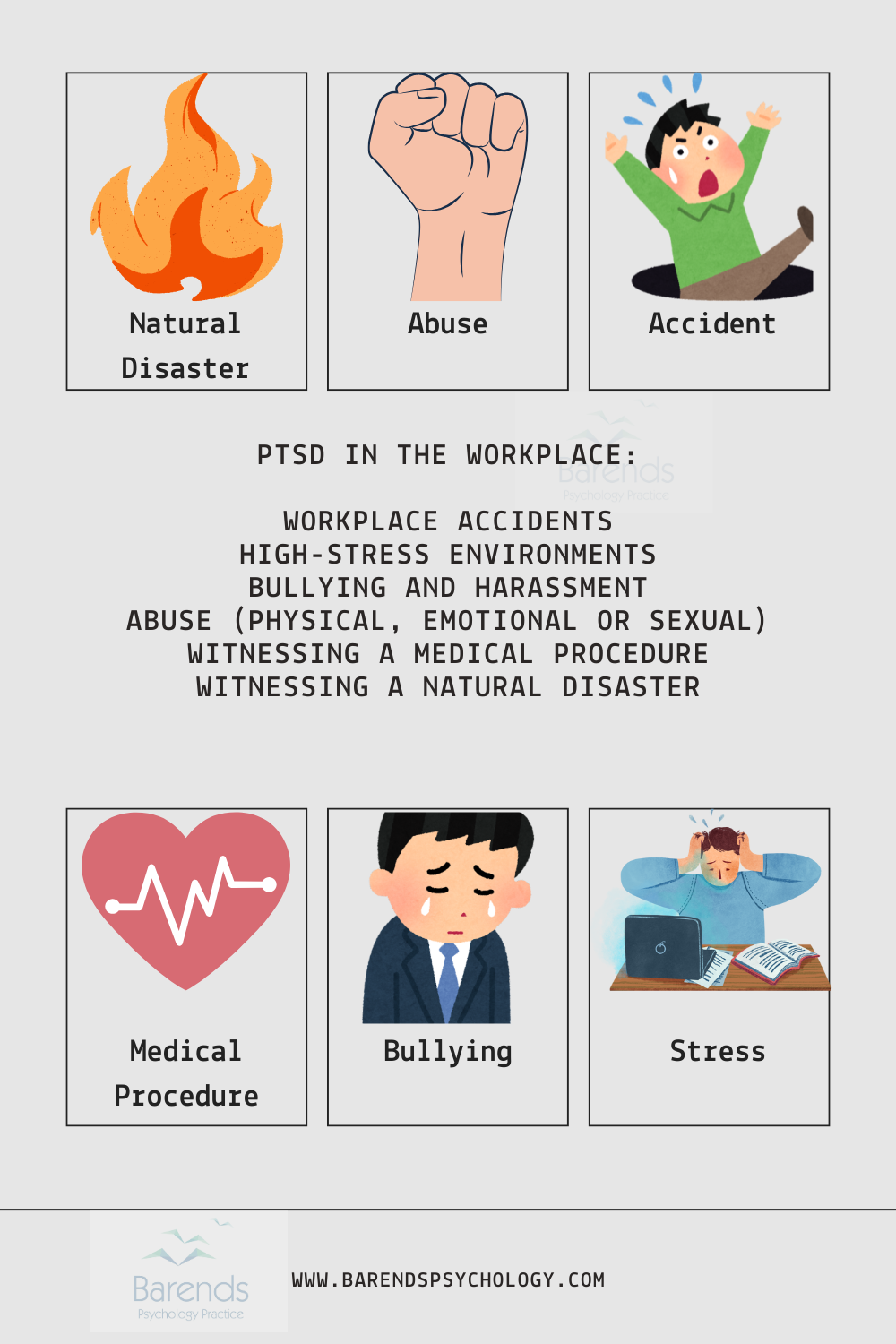
PTSD in the workplace.
Post-Traumatic Stress Disorder (PTSD) is a mental health condition that can significantly impact an individual’s professional life. Understanding how PTSD manifests in the workplace, its potential causes within this setting, and effective coping strategies is crucial for both employees and employers.
Clinical context
- This page is educational. It does not replace diagnosis or treatment by a licensed clinician.
- Clinical review: Written and reviewed by Niels Barends, MSc (psychologist; Barends Psychology Practice), based on DSM-5 criteria and peer-reviewed trauma research.
- Immediate risk: If you feel unsafe, severely distressed, or suicidal, contact local emergency services or a crisis line immediately.
PTSD in the workplace can adversely affect various aspects of an individual’s work performance and overall well-being. Common challenges include:
- Concentration Difficulties: Intrusive thoughts and flashbacks can disrupt focus, leading to decreased productivity.
- Avoidance Behaviors: Individuals may steer clear of tasks, locations, or people that remind them of the traumatic event, potentially limiting their role or career advancement.
- Hyperarousal: Heightened states of alertness can result in irritability, sleep disturbances, and an exaggerated startle response, affecting interactions with colleagues and overall job performance.
- Emotional Numbing: A sense of detachment or emotional numbness can hinder effective communication and collaboration within teams.
These symptoms not only diminish the individual’s quality of life but can also lead to increased absenteeism, strained workplace relationships, and higher turnover rates. Recognizing the signs of PTSD in the workplace is essential for early intervention and support.
Struggling with PTSD symptoms at work?
Workplace trauma and chronic stress can significantly impair performance, focus, and relationships.
Evidence-based treatment (EMDR / trauma-focused therapy) can reduce symptoms and restore functioning.
Book your initial consultation
Confidential. Online and in-person sessions available.
Jump to
How PTSD Can Develop in the Workplace
While PTSD is often associated with combat or severe accidents, workplace-related trauma can also be a significant contributor. Potential causes include:
- Exposure to Traumatic Events: Professions such as first responders, healthcare workers [1],[2] and military personnel are frequently exposed to distressing situations. For instance, a police officer involved in a critical incident may develop PTSD due to the traumatic nature of the event.
- Workplace Accidents: Severe injuries or witnessing accidents can be traumatic, leading to PTSD in affected employees.
- Bullying and Harassment: Persistent exposure to bullying or harassment can result in psychological trauma, especially if the individual feels powerless to change the situation.
- High-Stress Environments: Occupations with chronic stress and high stakes can contribute to the development of PTSD. For instance, overseeing an investigation of a major disaster might cause people to develop PTSD due to the exposure of prolonged high-stress situations.
Not sure whether your symptoms qualify as PTSD?
A short screening questionnaire can help determine whether your workplace stress reactions
match common PTSD symptom patterns.
This is not a diagnosis, but it can guide your next step.
Coping with PTSD in the Workplace
Managing PTSD in the workplace requires a combination of personal strategies and organizational support:
Seek Professional Help: Engaging with a mental health professional can provide tailored therapeutic interventions, such as Cognitive Behavioral Therapy (CBT) or Eye Movement Desensitization and Reprocessing (EMDR), which have proven effective in treating PTSD.
Develop Coping Mechanisms: Implementing evidence-based strategies can alleviate PTSD symptoms. These include:
- Mindfulness and Relaxation Techniques: Practices like deep breathing, meditation, or yoga can help reduce anxiety and improve emotional regulation.
- Structured Routine: Maintaining a consistent daily schedule can provide a sense of control and predictability, aiding in managing symptoms.
- Physical Activity: Regular exercise has been shown to reduce stress and improve mood, serving as a valuable tool in coping with PTSD.
- Utilize Social Support: Building a support network within and outside the workplace can offer emotional assistance and practical help. Sharing experiences with trusted colleagues or joining support groups can foster understanding and reduce feelings of isolation.
- Communicate with Employers: If comfortable, discussing PTSD with a supervisor or human resources representative can lead to accommodations that facilitate a more supportive work environment. This might include flexible scheduling, modified duties, or access to employee assistance programs.
- Set Realistic Goals: Breaking tasks into manageable steps and setting achievable objectives can prevent overwhelm and enhance a sense of accomplishment.
- Practice Self-Compassion: Recognizing that managing PTSD is an ongoing process and allowing oneself grace during challenging times is essential for long-term well-being.
When you’re functioning, but your stress pattern keeps repeating
Some professionals with trauma exposure or chronic stress remain highly capable at work,
yet notice a predictable shift under pressure: narrower decision-making, rigid risk responses,
conflict patterns, boundary collapse, or emotional shutdown.
PTSD treatment focuses on symptom reduction and trauma processing.
The 20–80 Method is different: it maps the dominant stress-response pattern
that shapes how you lead, decide, communicate, and perform when stakes rise.
If you recognize a recurring “work mode” that becomes costly over time,
you can start with the short assessment and receive your archetype profile by email.
Note: This is not a clinical tool and does not diagnose PTSD. For severe symptoms, professional trauma treatment is recommended.
Organizational Support for Employees with PTSD
Employers play a crucial role in supporting employees with PTSD in the workplace:
- Foster an Inclusive Environment: Creating a workplace culture that prioritizes mental health can encourage individuals to seek help without fear of stigma.
- Provide Training: Educating staff and management about PTSD can promote empathy and understanding, leading to a more supportive atmosphere.
- Offer Resources: Access to counseling services, support groups, and mental health days can assist employees in managing their condition effectively.
- Implement Clear Policies: Establishing protocols for addressing workplace trauma and supporting affected employees ensures a consistent and compassionate response.
By understanding the impact of PTSD in the workplace and implementing comprehensive support strategies, both individuals and organizations can work towards a healthier, more productive work environment.
Are you an employer seeking guidance?
Early intervention and structured trauma support reduce absenteeism, turnover, and long-term disability risk.
We provide confidential individual therapy and guidance for workplace-related trauma.
Literature
- [1] Laposa, J. M., Alden, L. E., & Fullerton, L. M. (2003). Work stress and posttraumatic stress disorder in ED nurses/personnel (CE). Journal of emergency nursing, 29(1), 23-28.
- [2]
- Waegemakers Schiff, J., & Lane, A. M. (2019). PTSD symptoms, vicarious traumatization, and burnout in front line workers in the homeless sector. Community mental health journal, 55, 454-462.