


High-Functioning Social Anxiety: When You Look Confident but Feel Anxious Inside

High-functioning social anxiety
High-functioning social anxiety is often overlooked because it does not always look like classic social anxiety. The person may appear calm, capable, articulate, or even socially skilled, while internally struggling with intense self-consciousness, fear of judgment, overthinking, and pressure to perform well. In many cases, others see confidence, while the individual experiences constant mental tension.
This is one reason high-functioning social anxiety can go unnoticed for years. People who struggle with it often do well at work, maintain relationships, and seem “put together” from the outside. Because of this, they may not identify with the more obvious signs of social anxiety symptoms. Instead, they may describe themselves as overly self-aware, perfectionistic, emotionally exhausted after social situations, or constantly stuck in analysis before and after interactions.
In practice, high-functioning social anxiety often shows up in professionals, high performers, and people who have learned to compensate for anxiety through preparation, control, achievement, or avoidance that does not look like avoidance on the surface. For example, someone may force themselves to perform well in meetings, while spending hours rehearsing beforehand and replaying every sentence afterward. Another person may seem friendly and competent, but feel chronically tense in groups, afraid of saying the wrong thing, or worried about being seen as awkward, weak, or inadequate.
If these patterns mainly show up in professional settings, it can be useful to understand how social anxiety symptoms present differently at work.
This page explains what high-functioning social anxiety is, how it differs from more visible forms of social anxiety, why it is often missed, and what helps. If you want a broader clinical overview first, you can also read about social anxiety, explore what causes social anxiety, review how social anxiety is diagnosed, or read more about treatment for social anxiety.
Clinical insight:
In practice, many individuals with high-functioning social anxiety only recognize the pattern when they notice how much time is spent preparing for interactions, analyzing them afterward, and trying to prevent mistakes. From the outside, they seem confident and capable, but internally there is often a constant pressure to perform and a fear of being negatively evaluated.
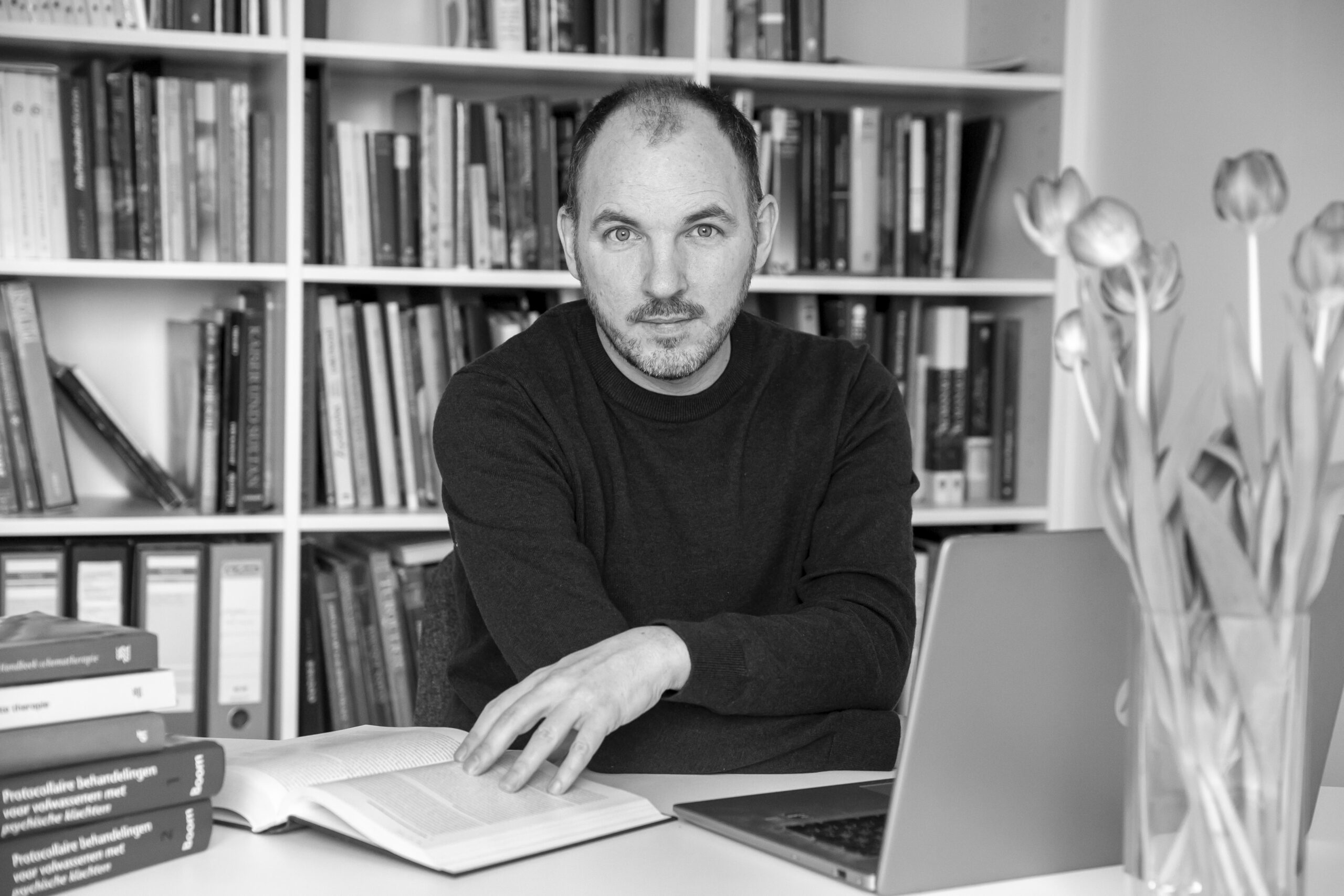
Niels Barends, MSc
Psychologist specialized in anxiety disorders
Quick facts about high-functioning social anxiety
- People with high-functioning social anxiety often appear competent and socially capable on the outside
- Internally, they may experience fear of judgment, overthinking, tension, and self-monitoring
- It is common in professionals, high achievers, and perfectionistic individuals
- The anxiety is often hidden by preparation, performance, control, or people-pleasing
- Because functioning remains relatively high, many people delay seeking help
- Treatment is possible, and therapy can help reduce the pressure to perform socially
Do you recognize these patterns in yourself?
If you are not sure whether this is social anxiety, a structured questionnaire can give you a clearer first indication.
A test is not a diagnosis, but it can help you decide what to explore next
Jump to:
- What is high-functioning social anxiety?
- Common signs
- Why it is often missed
- High-functioning social anxiety at work
- Self-esteem and overcompensation
- The 20–80 Method
- Treatment
- FAQ
Related pages:
What is high-functioning social anxiety?
High-functioning social anxiety refers to a pattern in which someone continues to function relatively well in social, academic, or professional settings while still experiencing significant anxiety underneath. The person may speak in public, lead meetings, maintain a career, or navigate social situations reasonably well, but this outward functioning often comes at a cost.
That cost may include constant mental rehearsal, intense self-monitoring, dread before interactions, exhaustion afterward, and a persistent fear of being judged, exposed, or misunderstood. In other words, the person does not avoid all social situations, but they often pay a high internal price for participating in them.
This is what makes high-functioning social anxiety different from the more visible image people often have of social anxiety. The person may not seem shy or withdrawn. Instead, the anxiety is hidden behind competence, preparation, achievement, politeness, humour, or control.
Common signs of high-functioning social anxiety
Many people with high-functioning social anxiety do not describe themselves as socially anxious at first. They are more likely to say that they overthink everything, need too much time to prepare, feel tense in groups, or are never fully relaxed around other people.
Common patterns include overpreparing for meetings or conversations, replaying interactions afterward, feeling responsible for how others perceive you, and monitoring your facial expression, body language, tone, or wording during conversations. Some individuals also become highly skilled at masking discomfort. They smile, perform, joke, or act composed while internally feeling overstimulated or afraid of making a mistake.
It is also common to feel drained after social exposure. Even when an interaction goes well, the nervous system may remain tense. This often creates a confusing experience: the person appears capable, but does not feel safe internally.
Why high-functioning social anxiety is often missed
This pattern is often missed because outward performance can mask internal distress. When someone is articulate, successful, or socially competent, others may assume they are confident. The individual may even make the same assumption and conclude that they are “just too self-aware” or “just an overthinker.”
Another reason it is missed is that many people adapt to anxiety by becoming more prepared and more controlled. These coping strategies can look productive from the outside. But when they become rigid or necessary just to feel “safe enough,” they may be maintaining the anxiety rather than solving it.
This is one reason why high-functioning social anxiety can persist for years. The person continues to perform, so the problem does not always look urgent. But internally, the pressure keeps building.
This is also why many people do not recognize that their experiences fall within the broader pattern of social anxiety symptoms.
High-functioning social anxiety at work
High-functioning social anxiety often becomes especially visible in work settings. A person may do well professionally while privately struggling with meetings, networking, authority figures, performance reviews, or speaking up spontaneously.
Some professionals compensate by preparing excessively, overdelivering, avoiding visibility unless they feel fully ready, or staying silent until they can say something “perfect.” Others become highly agreeable, trying to prevent criticism or conflict by staying easy to work with. This can look like professionalism, but it is often driven by fear of judgment rather than genuine confidence.
Over time, this can limit growth. The person may avoid leadership opportunities, delay decisions, overwork to compensate for perceived weaknesses, or become emotionally exhausted by situations that others seem to tolerate more easily.
Self-esteem, overthinking, and overcompensation
High-functioning social anxiety is often closely linked to unstable self-esteem. Many people do not feel solid internally, so they rely on preparation, achievement, approval, or “getting it right” to feel socially safe. That is why setbacks can feel disproportionately painful. A brief awkward moment, a neutral facial expression, or a slightly disappointing performance can trigger hours of self-criticism.
This pattern can look like confidence, but often it is a form of compensation. The person may appear organized, thoughtful, and high performing while internally feeling fragile in situations involving evaluation, exposure, or uncertainty.
If this sounds familiar, you may also want to read more about gaining self-esteem, because self-worth and social anxiety often reinforce one another.
Not just anxiety but a pattern under pressure
For some professionals, high-functioning social anxiety is not only about fear in social situations. It also affects how they perform under pressure, how much they overprepare, how carefully they self-monitor, and how difficult it becomes to act freely when visibility increases.
The 20–80 Method helps clarify how you operate when pressure rises, where your behaviour becomes driven by stress rather than strategy, and what is needed to move back into a wider, more stable range of functioning. This can be especially useful for high performers who do not fully identify with a diagnosis but do recognize recurring patterns in performance, self-doubt, and decision-making.
Rather than asking only “Do I have anxiety?”, this model helps answer a broader question: What happens to me when pressure increases, and how do I regain control without losing performance?
Disclosure: The 20–80 Method is a separate service and not a substitute for psychotherapy.
Treatment for high-functioning socially anxious people
The fact that someone is functioning does not mean they do not need help. If social situations consistently create fear, exhaustion, overthinking, or self-doubt, treatment can still be very valuable. In many cases, therapy focuses on reducing safety behaviours, working with fear of judgment, challenging rigid beliefs, building emotional flexibility, and gradually increasing tolerance for visible imperfection.
Approaches such as CBT and exposure-based therapy are often particularly helpful because they target the behaviours and beliefs that keep the anxiety going. You can read more about this on the page about social anxiety treatment.
Feeling capable on the outside, but tense and self-critical on the inside?
If this pattern is affecting your work, relationships, or quality of life, therapy can help you reduce internal pressure and feel more grounded in social situations. Treatment often focuses on fear of judgment, emotional regulation, self-esteem, and breaking patterns of overcompensation.
Confidential • Evidence-based • First consultation free
Frequently asked questions about high-functioning social anxiety
Can you have social anxiety and still function well?
Yes. That is exactly what makes high-functioning social anxiety easy to miss. A person may continue to work, socialize, and perform reasonably well while still experiencing significant anxiety internally.
What is the difference between high-functioning social anxiety and regular social anxiety?
The difference is not that the anxiety is less real. The main difference is that the person continues to function at a relatively high level despite the anxiety. The distress is often hidden behind preparation, control, or achievement.
Is high-functioning social anxiety the same as being shy?
No. Shyness is a temperament trait and does not necessarily involve intense fear, self-monitoring, avoidance, or significant internal distress. High-functioning social anxiety usually involves stronger fear of judgment and more persistent psychological strain.
Why do high performers often miss social anxiety in themselves?
Because they often compensate well. They may think they are simply perfectionistic, highly self-aware, or careful. Outward success can make it harder to recognize how much pressure they are under internally.
Can high-functioning social anxiety affect work performance?
Yes. It can lead to overpreparing, staying silent in meetings, avoiding visibility, people-pleasing, exhaustion after interactions, and fear of making mistakes in public or professional settings.
What helps with high-functioning social anxiety?
Treatment often focuses on reducing safety behaviours, working with fear of judgment, improving emotional flexibility, and building a more stable sense of self-worth. Therapy can help even when someone appears to be functioning well.
If you are looking for practical strategies you can apply immediately, you may also want to read how to overcome social anxiety, where we outline step-by-step approaches used in treatment.
Should I take a test if I am not sure this applies to me?
Yes. A questionnaire can be a useful starting point if you recognize some of these patterns. You can take the social anxiety test here.